The gap that IoT alone cannot close
Industrial IoT has been around for years. Businesses have invested in sensors, connectivity, and dashboards. They have more data than ever. But having data and acting on data are two very different things.
The gap is intelligence. A sensor tells you what is happening. An AI system tells you what it means, what is likely to happen next, and what you should do about it. Closing that gap is where IoT and AI come together.
Predictive maintenance: the headline use case
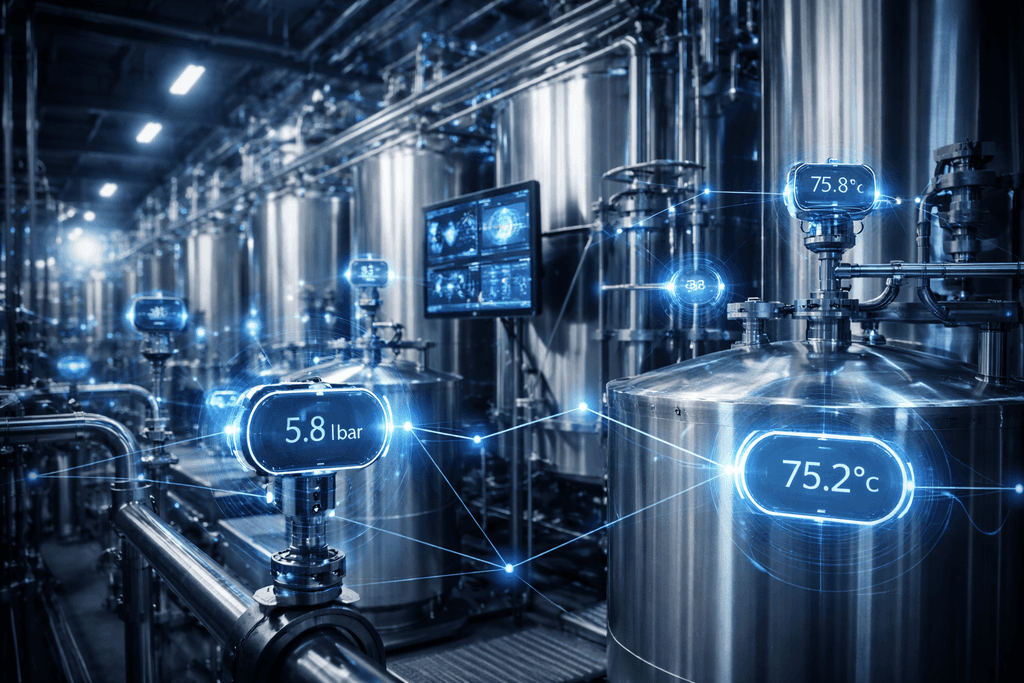
The most widely deployed IoT and AI combination is predictive maintenance. Sensors monitor equipment temperature, vibration, power draw, and acoustic signatures. An ML model trained on historical failure data identifies the pattern that precedes a breakdown.
Instead of running equipment until it fails or replacing components on a fixed schedule regardless of condition, you replace parts when the model tells you they need it.
"One of our clients caught a critical equipment fault before it caused an estimated $200,000 in damage. The IoT and AI system paid for itself in the first month."
Beyond maintenance: other high-value applications
Energy optimization: AI systems that adjust power usage in real time based on equipment demand, environmental conditions, and pricing signals
Quality control: computer vision systems that inspect every unit on a production line at speeds no human inspector can match
Supply chain visibility: real-time tracking of assets in transit with AI-powered anomaly detection for delays and diversions
Safety monitoring: AI systems that identify unsafe conditions or behaviors in real time and trigger immediate alerts
The architecture that makes it work
A production IoT and AI system needs four layers working together: reliable data collection from devices and sensors, a real-time data pipeline that moves that data to where it needs to go, ML models trained on your specific equipment and environment, and a monitoring and alerting layer that surfaces intelligence to the right people at the right time.
Getting any one of those layers wrong is enough to make the whole system unreliable. Which is why IoT and AI deployments need engineers who understand all four.
About author
Nadia leads data engineering and machine learning at Agintex. She writes about the data infrastructure, IoT data pipelines, and ML practices that make AI systems reliable, accurate, and production-ready.

Nadia Osei
Data and ML Lead
Subscribe to our newsletter
Sign up to get the most recent blog articles in your email every week.